 Français
 Español
 Italiano
 Deutsch
 Português
 Русский
 Nederlands
 English
Contents
- In brief: what you need to know about Cape Verde's history
- The island odyssey: from discovery to European colonization
- The triangular trade and the rise of Creole society
- Colonial decline, resistances, and great famines
- Towards independence: struggles, pan-African movement, and democracy
- The contemporary Cape Verdean society: diaspora, decor, and affirmed identity
- Practical questions & good ideas for exploring the history of Cape Verde
- Conclusion: the great lessons of Cape Verdean history
Want to understand what truly shaped Cape Verde's identity, far beyond its beaches and volcanoes? The history of Cape Verde is as intense as it is unsuspected: a saga of Portuguese discoveries, slavery, resistance, and mixing, which resonates in the music, language, and local hospitality.
Ready to travel through time before planning your stay? Follow me to dive into this unique adventure that continues to inspire all those who set foot on the archipelago!
Planning a trip to Cape Verde?
To organize your stay, we work with a local agency based in Cape Verde, which knows the archipelago island by island. Customized tours, accommodations, inter-island flights, excursions: describe your project, we will connect you, and the agency will prepare a proposal tailored to your desires and budget.
In brief: what you need to know about Cape Verde's history
- The islands were uninhabited before their discovery by Portuguese navigators in the 15th century.
- Cape Verde was a strategic center for the slave trade between Africa, Europe, and the Americas.
- Slavery profoundly marked Cape Verdean society, creating a unique Creole identity.
- Independence was only achieved in 1975 after centuries of Portuguese domination.
- The country is now a model of stable democracy in Africa.
- Historical remnants, from Cidade Velha to the streets of Mindelo, still tell this incredible story.
Curious to learn more? Scroll through the article to explore the details that make Cape Verde a unique destination... and remember to ask us for advice to organize your personalized historical discovery!

The island odyssey: from discovery to European colonization
Before the 15th century, these remote Atlantic islands showed no signs of human occupation: history begins between 1444 and 1462 with the expeditions of Portuguese navigators like Diogo Gomes, Antonio da Noli, and Antão Gonçalves on this untouched archipelago.
- Progressive discovery of the islands from 1444 to 1462: each takes the name of a saint, a characteristic, or the Christian calendar (e.g., Santiago, Boa Vista).
- 1462: foundation in Santiago of Ribeira Grande (today Cidade Velha), the first European colonial city in the tropics.
- First inhabitants came from Europe, quickly joined by slaves from West Africa.
Did you know? Visiting the island of Santiago and Cidade Velha means directly touching the roots of Cape Verde's history: cobbled streets, fortress, and 16th-century churches, everything blends together...
To fully understand the first colonized island and its UNESCO-listed remnants, our local guides can prepare a tailored discovery. Request the organization of a historical stay!
The triangular trade and the rise of Creole society
It is in Cape Verde that the great Atlantic mixing truly began. Between the 16th and 17th centuries, Ribeira Grande became a nerve center of the slave trade between the African coasts, Europe, and the Americas.
- Thousands of African captives pass through the port of the island of Santiago each year before being deported.
- The trade generates wealth, pirate attacks, but also a multi-ethnic society where Europe, Africa, and America mix.
- Slavery was abolished in Cape Verde in 1854 (some sources mention 1836 or 1876 depending on the islands).
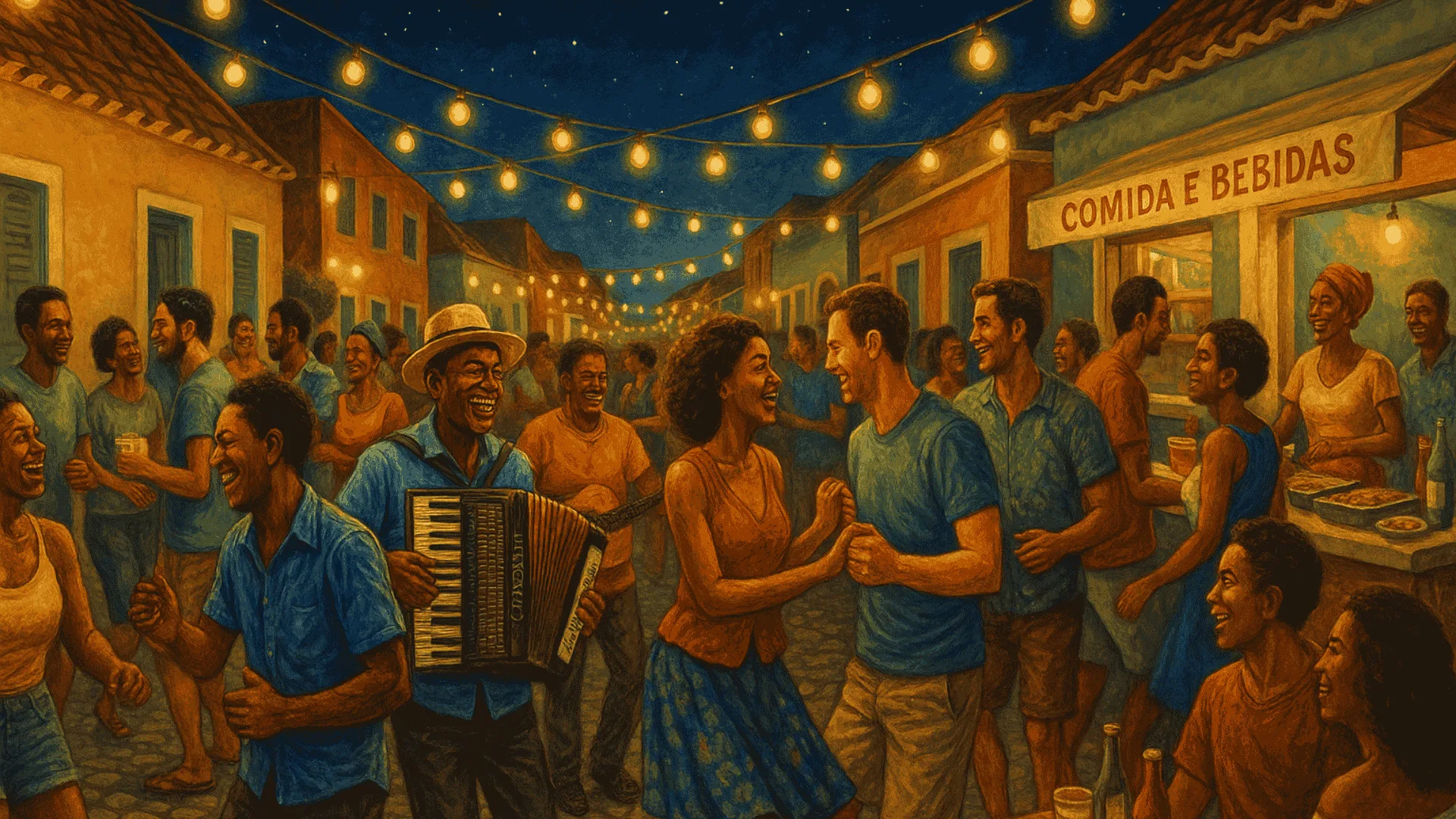
The current Creole soul? It comes from this blend of cultures and histories. The music of Mindelo or the Creole spoken in Praia are living legacies of this mixed era.
To better feel this identity, I recommend a multi-island tour: each island has its dialect, music, and cuisine. Contact us for a customized cultural journey!

Colonial decline, resistances, and great famines
Starting in the 17th century, the economic importance of Cape Verde declines, challenged by other maritime routes and weakened by pirate attacks and repeated droughts.
- From the 17th to the 19th century: Ribeira Grande becomes silted up, the port of Mindelo (São Vicente) takes over in the 19th century for transatlantic ships.
- Between 1747 and 1900, over 100,000 deaths due to droughts and famines (source: Wikipedia).
- Economy shifted to salt trade, peanuts, and supplying steamships... but persistent poverty and famines continued into the 1940s.
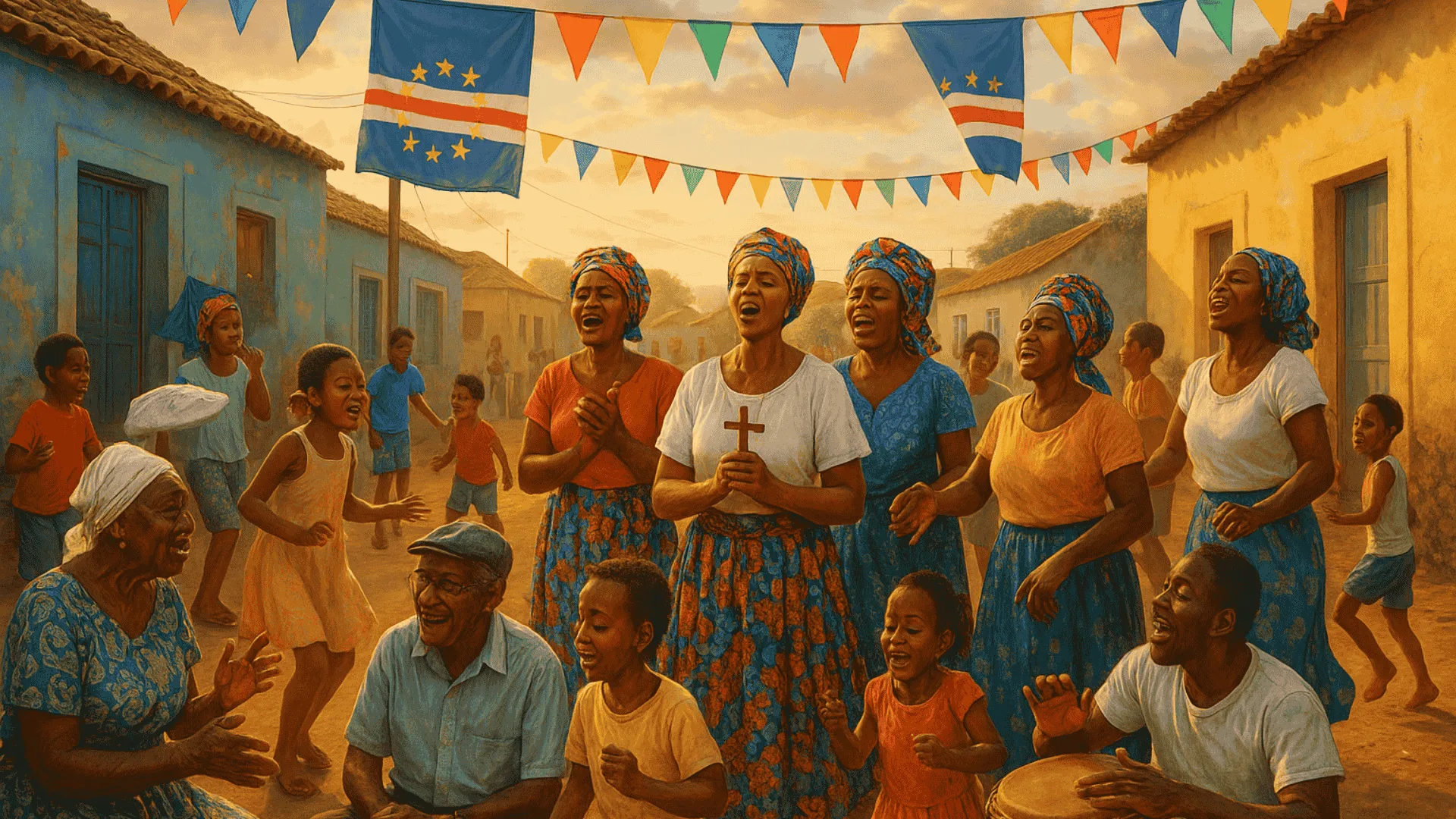
It's hard to imagine this harsh past in light of the legendary kindness of Cape Verdeans, forged by adversity and solidarity. The spirit of morabeza is this: human warmth as a response to history.
Prepare a solidarity and responsible stay: Have your trip organized by our local partner agency, with services run by the community.
Towards independence: struggles, pan-African movement, and democracy
It is in the 20th century that the winds of change finally blow over Cape Verde. After World War II, droughts and exile are joined by political dissent against the highly centralized Portuguese administration.
- 1956: foundation of the PAIGC, the African Party for the Independence of Guinea and Cape Verde, under the leadership of Amílcar Cabral.
- 1974: revolution in Portugal, followed by independence proclaimed on July 5, 1975; Aristides Pereira becomes the first president.
- Period of single-party rule until 1990, then opening to multi-party politics and political alternation: the country becomes an example of stable democracy in West Africa.
Do you want to experience a bit of the spirit of freedom and modernity of Cape Verde? Stroll through the central square of Praia, soak up the atmosphere in Mindelo: you will see, history is always present!
To make the most of the music scene, popular festivals, and portraits of cultural icons (like Cesária Évora), explore our page on what to do in São Vicente... and request itinerary suggestions based on your desires!

The contemporary Cape Verdean society: diaspora, decor, and affirmed identity
Despite the challenges, Cape Verde has become a model of stability for the region. The secret? A strong diaspora: almost a million Cape Verdeans live abroad, which is twice the population of the archipelago.
- The diaspora supports the economy with financial transfers while contributing to cultural wealth (music, sports, design, etc.).
- Tourism, services, and agriculture now form the pillars of the economy.
- Creole is predominant in daily life, but Portuguese remains the administrative language.
Need good tips to optimize your stay: with family, sports, culture, or just to chill? We guide you from project to reality!
Practical questions & good ideas for exploring the history of Cape Verde
Want to go further and give meaning to your stay? Here are some concrete suggestions to follow the traces of Cape Verdean history, island by island:
- Visit the ruins of Cidade Velha, the first colonial city, listed as a UNESCO World Heritage site.
- Wander through the streets of Mindelo, the cultural and musical heart of the archipelago.
- Discover the landscapes marked by struggle and migration, from Santo Antão to Fogo.
- For curious minds, find our tips on thematic visits with family or on the best time to travel.
- Before you leave, prepare with our page: do you need a visa to travel to Cape Verde?
Do you want a trip that connects cultural discovery, paradise beaches, and human encounters? Fill out our form, our partner agency in Cape Verde will take care of the rest!
Conclusion: the great lessons of Cape Verdean history
- The strength of Cape Verde lies in its mixing and resilience, fruits of a complex history but one that carries hope.
- From colonial remnants to living traditions, each island tells a unique chapter of this Atlantic saga.
- Diving into the history of Cape Verde gives depth to your journey... and opens the door to unforgettable encounters.
Ready to go from reading to adventure? Contact Casa di CV now and start writing your own Cape Verdean story?
Are you planning a trip to Cape Verde?
To organize your stay, we work with a local agency based in Cape Verde, which knows the archipelago island by island. Tailor-made tours, accommodation, inter-island flights, excursions: describe your project, we put you in touch and the agency prepares a proposal tailored to your wishes and budget.

Written by Adilson Gomes Garcia
Founder of Casa di CV and Gomia-Voyage, I was born in Santiago and I am committed to showcasing African territories, starting with Cape Verde. Through my platforms, I help travelers and curious minds better understand these destinations, their cultures and their realities, so they can plan authentic and respectful trips. My goal: to offer a clear, local and useful perspective for discovering Africa as it really is, with its riches and its identity.