 Français
 Español
 Italiano
 Deutsch
 Português
 Русский
 Nederlands
 English
Contents
Cape Verde suits travellers over 60 very well, but not in just any way. The winter climate is mild, the sea stays at a pleasant temperature, and the welcome is simple. What tires people out is the transfers between islands and the mountain roads, much more than the country itself.
The right approach comes down to one idea: few islands, long stays in each place, and transport arranged in advance.
In brief
- December to March is a dry, mild season: about 24 to 26 °C by day in Sal, Santiago and Santo Antão, with the sea around 24-25 °C.
- For a first senior trip, one island is enough, two at most; three already requires a proper circuit pace.
- Inter-island flights are operated by CVsky (since 29/03/2026), and ferries by CV Interilhas; the São Vicente – Santo Antão crossing is the most reliable.
- The WHO has certified Cape Verde malaria-free since January 2024; routine vaccinations must be up to date.
- There is no rescue helicopter and no sea rescue service: insurance with repatriation is not a minor detail.
- Since 04/11/2026, the airport security tax (TSA) costs CVE 4,400 (€39.90 as displayed), to be paid online before departure.
Planning a trip to Cape Verde?
Tell us about your project: we will put you in touch with a local agency that knows every island and will prepare a proposal tailored to your wishes and budget.
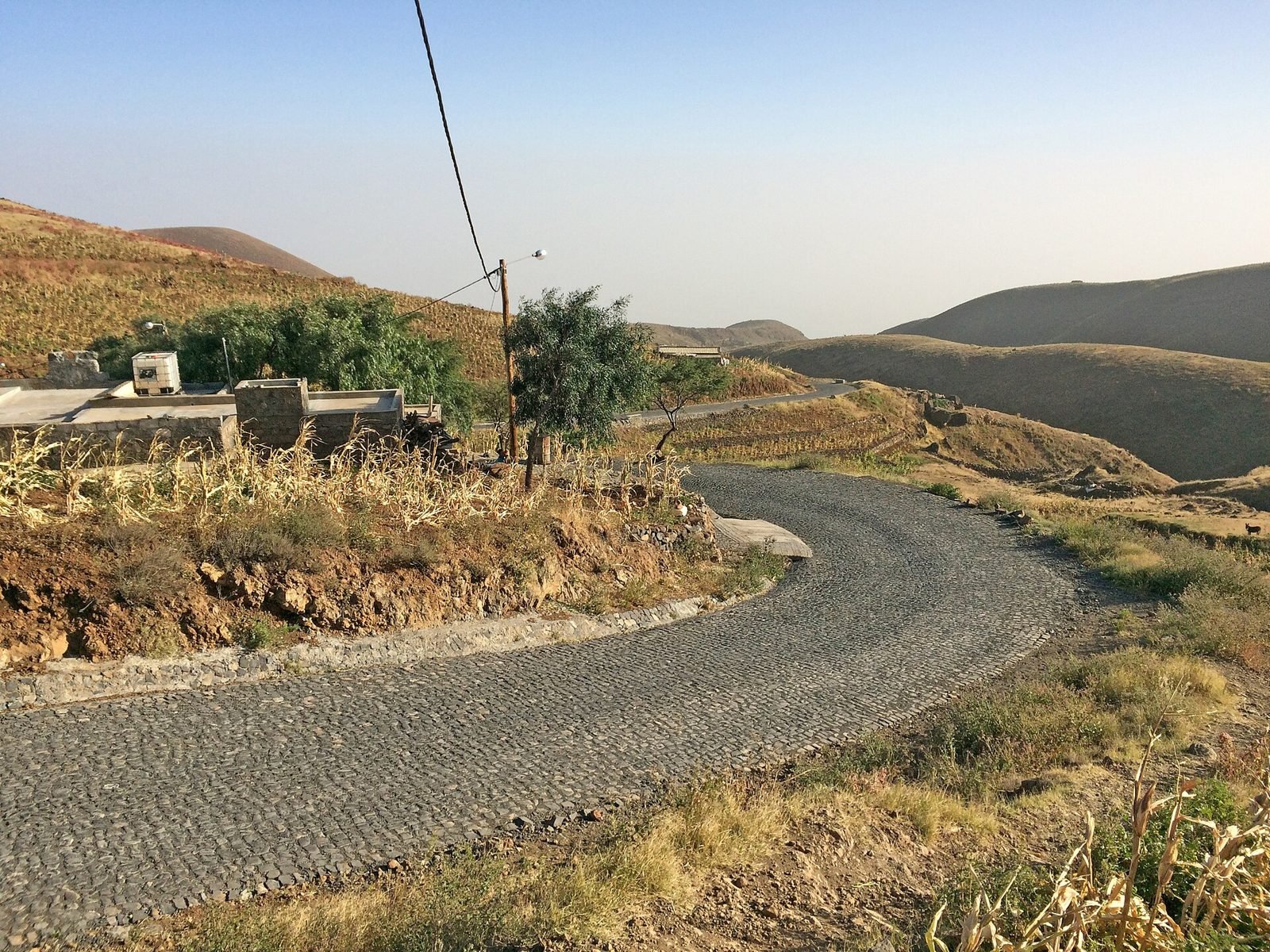
Which island to choose based on how you like to travel
The simplest approach is to start from what you enjoy: relaxing, gentle walking, culture or landscapes. The islands are quite different from one another, and each one demands a different level of effort.
| Island | Best for | Good to know |
|---|---|---|
| Sal | Beach, rest, all-inclusive hotels | Flat island, frequent wind |
| Santiago | Culture, history, markets | The capital island, Praia |
| Santo Antão | Hiking and mountain scenery | Mountain roads, cool evenings |
| Fogo | Volcano and villages | Altitude at Chã das Caldeiras |
If you are unsure, go for Sal for ease, or Santiago for discovery: these are the two islands where travel requires the least logistical effort. If you would like help choosing an island based on your physical condition, describe your wishes in two lines. To compare possible trip lengths, our page on how many days to plan will help you set the timing.
Planning a trip to Cape Verde?
Tell us about your project: we will put you in touch with a local agency that knows every island and will prepare a proposal tailored to your wishes and budget.
Pace: fewer islands, more time
A three-island circuit in one week feels like a string of airports and ports. Every change of island costs half a day between checking out of the hotel, the transfer and waiting. After 60, it is better to spend five or six nights in the same place and leave room for days with no schedule.
In practical terms, allow 7 to 10 days for two islands. If you want to see how the stages fit together, our 10-day itineraries show realistic route divisions.
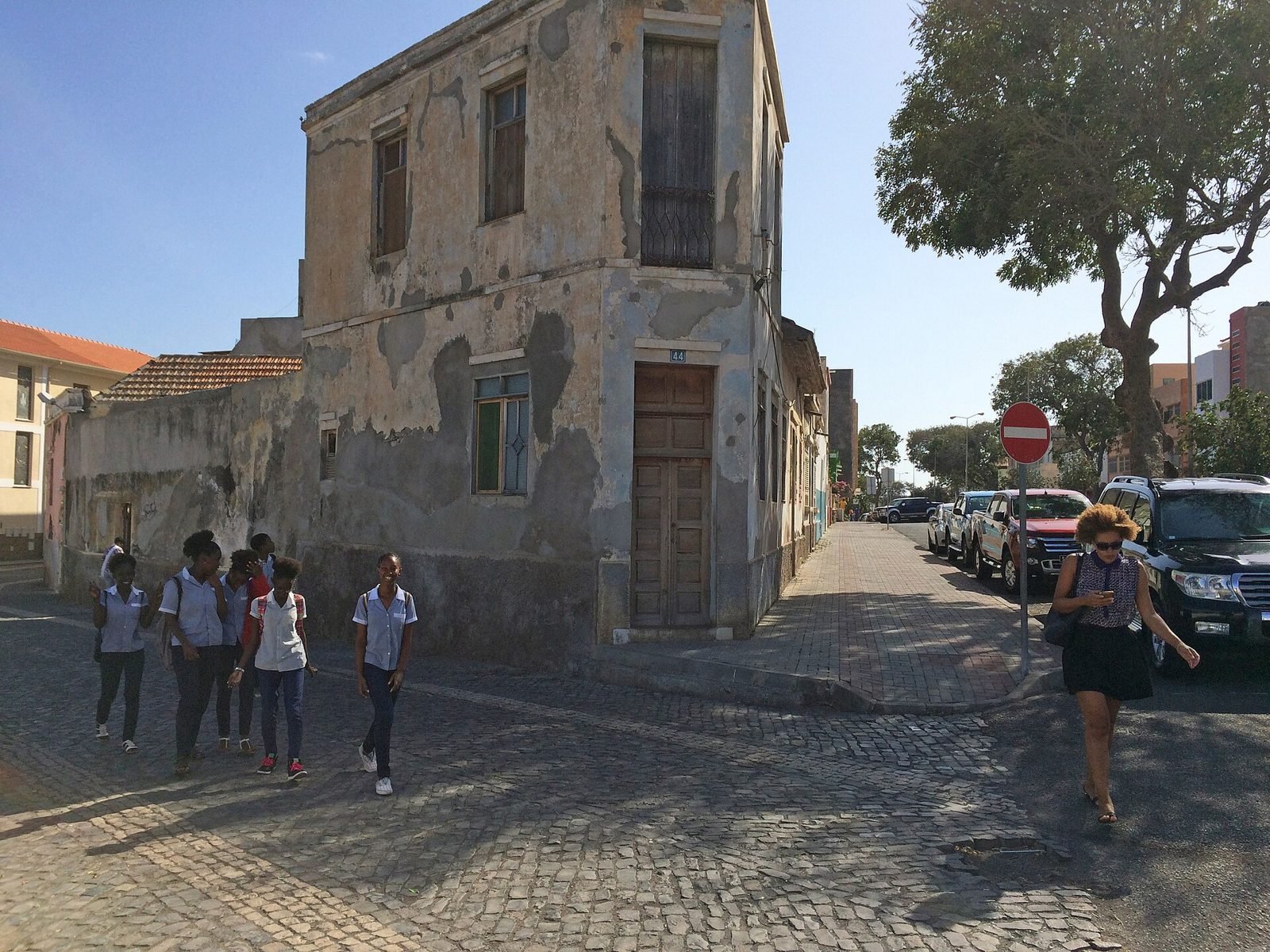
Climate: a gentle season
From December to March, the weather is dry and clear. Averages hover around 24 to 26 °C by day in Sal, Santiago and Santo Antão, with little rain, and the sea stays around 24-25 °C. It is heat that is easy to live with, without the oppressive intensity of summer.
Two details matter for your comfort. In Sal, the wind is almost constant: pleasant in the midday heat but sometimes cool by the water. In the mountains of Santo Antão and Santiago, evenings are noticeably cooler, down to 18 °C: a light jacket will keep you from spoiling the evening.
Getting around without exhausting yourself
Inter-island flights have been operated by CVsky since 29/03/2026, using ATR 72-600 aircraft; Cabo Verde Airlines remains dedicated to international routes. CVsky is a recent airline whose schedule changes from one season to the next: book these flights early and allow a buffer before your long-haul return flight.
The ferry is another matter. Between São Vicente and Santo Antão, the crossing takes about 50 minutes, and departures are reputed to keep to schedule. On other routes, notably between Santiago, Fogo and Brava, delays and cancellations are common, and crossings last several hours. For a senior trip, choose flights to change islands and keep the boat for the short crossing to Santo Antão, checking timetables with CV Interilhas.
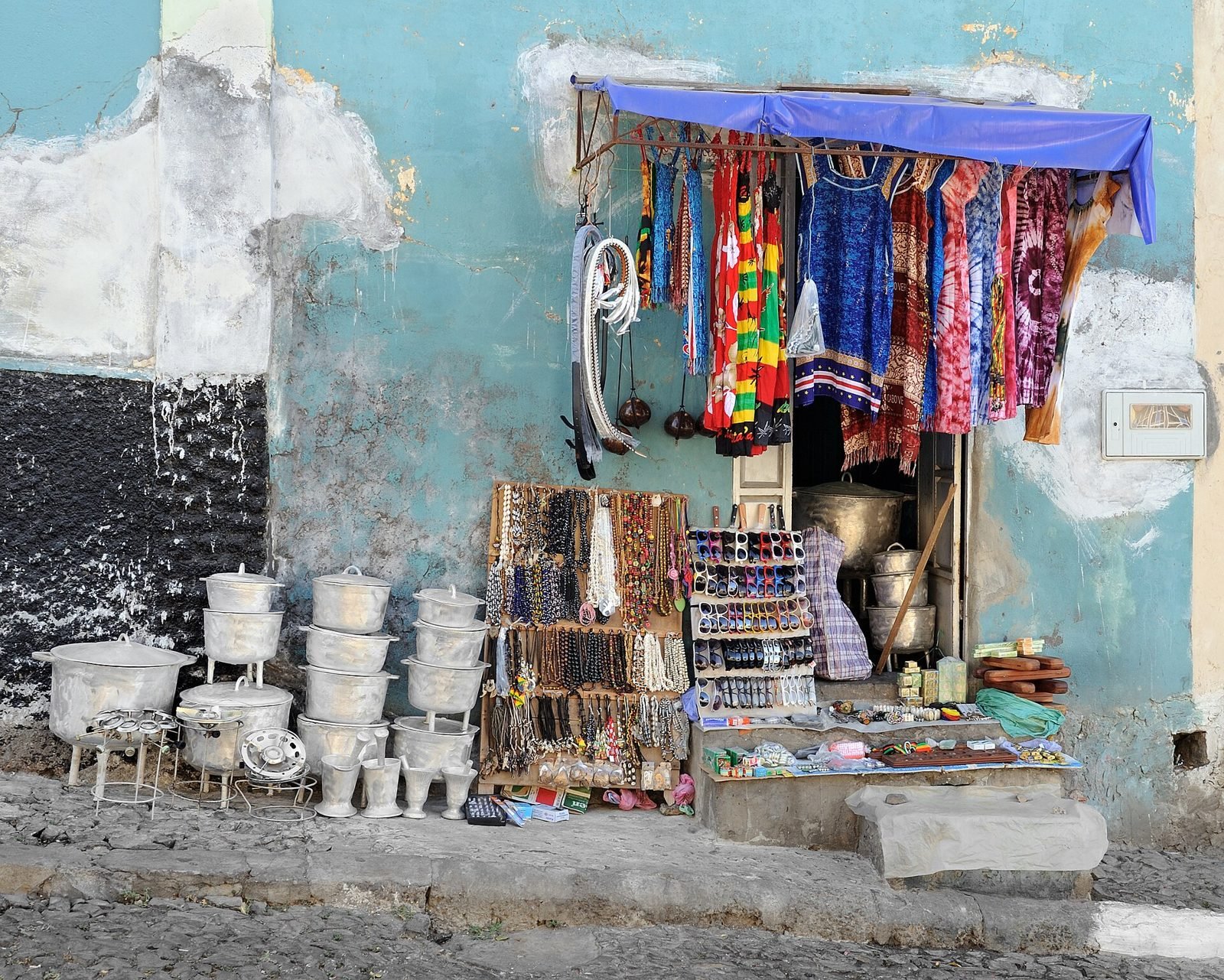
On the ground, a private transfer with driver costs more than shared transport, but it avoids waiting and carrying luggage. This is the kind of detail an organised trip takes care of in advance: ask the local agency for a programme including private transfers so you do not have to improvise on arrival.
Health, safety and formalities
The starting point is an appointment with your doctor or an international vaccination centre a few weeks before departure. Routine vaccinations must be up to date, with attention to hepatitis A. Yellow fever certification is only required for travellers coming from a risk country, for example after a stopover in Senegal. For details, see our page on vaccines and health precautions.
The WHO has certified Cape Verde malaria-free since January 2024, and no preventive treatment is needed. The mosquito-related risk is mainly dengue: insect repellent and covering clothing in the evening are generally enough. If you take regular medication, carry a sufficient supply with your prescription in your hand luggage.
It is also worth knowing what does not exist: the French Ministry of Foreign Affairs notes that Cape Verde has no rescue helicopter and no sea rescue service. For a senior trip, this justifies insurance that includes repatriation and medical assistance, and accommodation that is not too isolated if you have a known health condition. The France Diplomatie safety page did not show any alert specific to Cape Verde at the time of our review, only regional vigilance notices; for everyday life, our safety page covers the simple precautions.
As for formalities, the TSA is paid online via ease.gov.cv before departure; without pre-registration, you pay double at the border. Details are in our visa and formalities page.
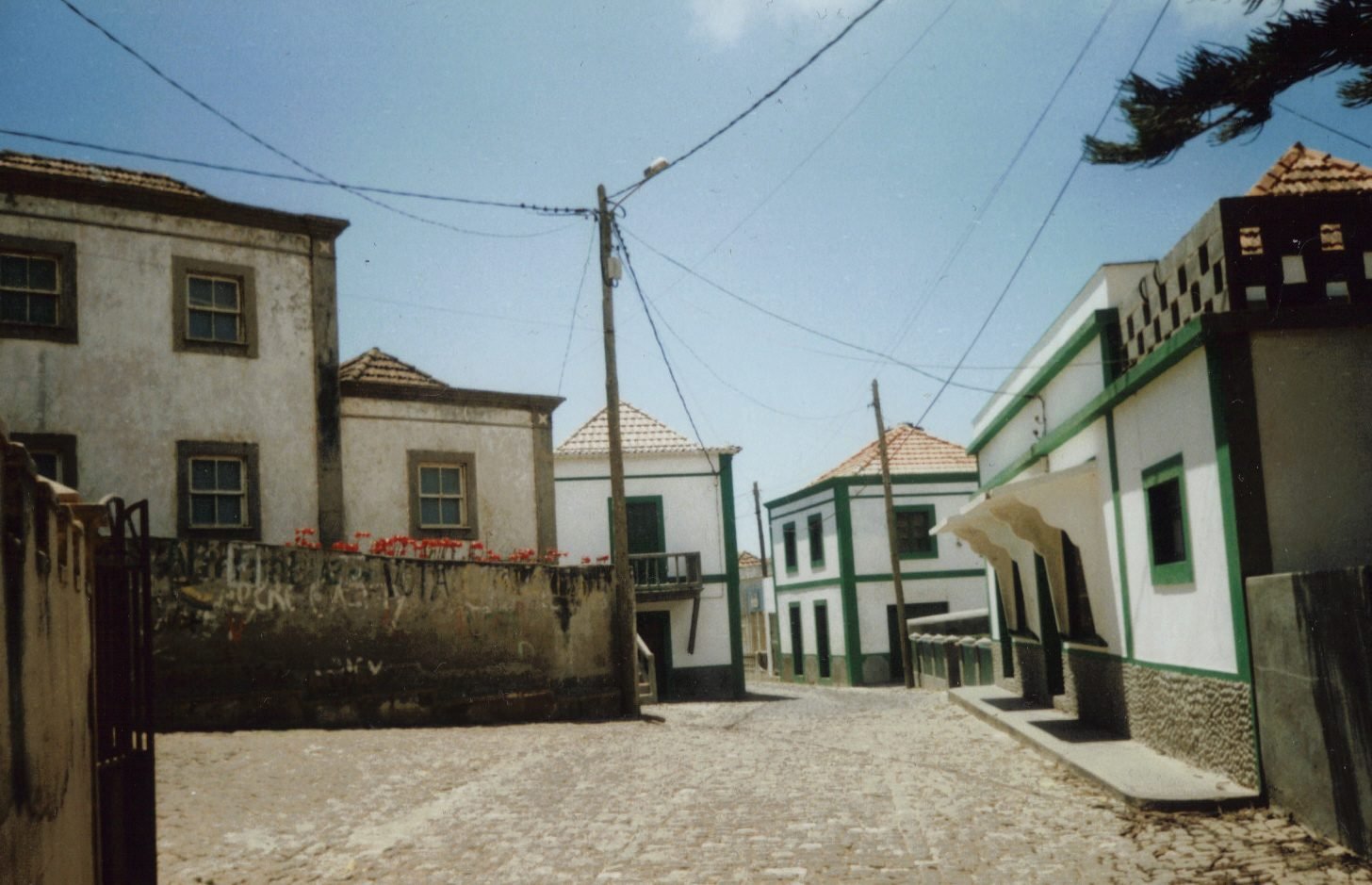
Organised trip or independent travel: the senior’s choice
Travelling alone in Cape Verde is possible, but transport requires patience. Beyond a certain age, the most comfortable option is often a tailor-made stay arranged with a local agency: transfers are planned, hotels are chosen for their accessibility, and someone is on hand to help in case of unexpected problems. Our comparison of organised and independent travel weighs the pros and cons of each option.
If you already have your islands and dates in mind, send us your project and the agency will propose an itinerary suited to your physical condition.
Frequently asked questions
Is the weather good in Cape Verde in December?
Yes: December opens the dry season, with clear skies and very little rain. Expect 24 to 26 °C by day and a sea around 24-25 °C. Bring a jacket for mountain evenings and for the wind in Sal.
Is it safe to travel to Cape Verde?
The France Diplomatie country page showed no alert specific to Cape Verde at the time of our review, only regional vigilance notices. The useful precautions are those for any trip: insurance with repatriation, up-to-date vaccinations, and care on mountain roads.
Do I need malaria medication?
No: the WHO certified Cape Verde malaria-free in January 2024, so no preventive treatment is needed. Insect repellent is still useful against mosquitoes, because of dengue.
Sources
- France Diplomatie: Cape Verde, latest updates and alerts (accessed 2026-11)
- France Diplomatie: Cape Verde factsheet (PDF) (accessed 2026-11)
- Institut Pasteur: health recommendations for Cape Verde (accessed 2026-11)
- Mesvaccins.net: malaria in Praia, changes in prophylaxis recommendations (accessed 2026-11)
- Belgian Diplomacy: health and hygiene in Cabo Verde (accessed 2026-11)
- INSPQ: travel health, Cape Verde (accessed 2026-11)
- CAPA: CVsky, summer 2026 schedule (accessed 2026-11)
- CAPA: LACV certified for domestic flights (CVsky) (accessed 2026-11)
- EASE Cabo Verde: pre-registration and TSA (accessed 2026-11)
- Climate-Data: weather in Cape Verde in December (accessed 2026-11)
- Partir.com: Cape Verde in December (accessed 2026-11)
- WHO Africa: Cabo Verde certified malaria-free (accessed 2026-11)
Fancy a tailor-made trip?
The local agency plans your itinerary, including islands, flights and accommodation. Free request, no obligation.

Written by Adilson Gomes Garcia
Founder of Casa di CV and Gomia-Voyage, I was born in Santiago and I am committed to showcasing African territories, starting with Cape Verde. Through my platforms, I help travelers and curious minds better understand these destinations, their cultures and their realities, so they can plan authentic and respectful trips. My goal: to offer a clear, local and useful perspective for discovering Africa as it really is, with its riches and its identity.