 Français
 Español
 Italiano
 Deutsch
 Português
 Русский
 Nederlands
 English
Contents
Cape Verde is a dream destination for scuba diving enthusiasts of all levels. This volcanic archipelago located off the west coast of Africa is home to crystal-clear waters and incredibly diverse marine ecosystems. With its colorful reefs, underwater caves, and shipwrecks, Cape Verde offers an exceptional setting to explore the richness of marine life.
In this guide, we will take you on a journey to discover the best diving sites of the archipelago, the various diving schools, as well as essential tips to make the most of your underwater adventure.
Want to explore Cape Verde?
To organize your stay, we work with a local agency based in Cape Verde, which knows the archipelago island by island. Customized tours, accommodations, inter-island flights, excursions: describe your project, we will connect you, and the agency will prepare a proposal tailored to your desires and budget.
Diving spots in Cape Verde

Santa Maria, Sal
Level: Beginner to Advanced
Description: Santa Maria, located in the south of Sal Island, is one of the most popular diving spots in Cape Verde. With its clear waters, coral reefs, and varied marine life, this site offers ideal conditions for divers of all levels. The dives are shallow (about 10 to 18 meters) and allow for the observation of a wide variety of tropical fish, turtles, and sometimes manta rays.
Tip : Dive early in the morning for better visibility and more marine activity. Local dive schools offer guided outings, perfect for beginners.
Tarrafal, Santiago
Level: Beginner to Intermediate
Description: Tarrafal is a beautiful spot located on Santiago Island. It is renowned for its fringing reef and underwater caves that host rich marine life, including rays, moray eels, and butterfly fish. Dives in Tarrafal are often shallow, making them ideal for beginner divers wishing to discover Cape Verde's underwater biodiversity.
Tip : Take the time to explore the caves, but be cautious of currents that can sometimes be stronger at certain times of the year. It is recommended to check the conditions with a local dive center before heading out.
Cidade Velha, Santiago
Level: Beginner to Advanced
Description: Located on the west coast of Santiago Island, Cidade Velha offers a different and complementary diving experience to Tarrafal.
The area is distinguished by its underwater volcanic formations, natural arches, caves, and drop-offs that create spectacular landscapes.
Marine life is abundant, with regular sightings of turtles, rays, moray eels, and schools of tropical fish.
Depending on the season, it is also possible to observe pelagic species.
Tip: Cidade Velha allows for a combination of diving and cultural discovery, as it is classified as a UNESCO World Heritage site. Ideal for those who wish to blend history and underwater exploration during the same stay.
Mindelo, São Vicente
Level: Intermediate to Advanced
Description: Mindelo, on São Vicente Island, is a must-visit diving destination for experienced divers. Its waters are full of surprises, including wrecks, reefs, and impressive rock formations.
The site of "Djeu", a small island near the port of Mindelo, is known for its deep dives reaching up to 30 meters, where you can encounter reef sharks, barracudas, and other large predators.
Tip : Visibility is often optimal between April and November. An experienced guide is recommended for deep dives and to explore wrecks safely.
Porto Novo, Santo Antão
Level: Intermediate
Description: Porto Novo offers a unique diving experience, with underwater landscapes made up of canyons, volcanic arches, and unusual rock formations.
The seabed is very well-preserved, and you can observe species such as groupers, parrotfish, and even some stingrays.
Tip : Porto Novo is less touristy than Sal and São Vicente, allowing you to dive in calm waters, away from the crowds. However, currents can be present, so it is advisable to dive with a local center.
Baía das Gatas, São Vicente
Level: Beginner to Intermediate
Description: Baía das Gatas is a protected bay on São Vicente Island, offering calm and shallow dives.
It is an ideal place for beginners and for those wishing to do night diving. The site is known for its colorful marine life, including parrotfish, damselfish, anemones, and sometimes even octopuses.
Tip : This spot is perfect for a relaxing family dive. The bay is well protected from waves and currents, making it a great option for introductory dives and night dives.
Palmeira, Sal
Level: Advanced
Description: Located on Sal Island, Palmeira is a diving spot particularly suited for experienced divers due to sometimes strong currents and deep dives. This site is known for its wrecks, some of which date back several decades and are now inhabited by a rich marine biodiversity: barracudas, moray eels, and schools of colorful tropical fish.
Tip : Dives at Palmeira are recommended for those seeking a challenge, especially with wrecks located between 25 and 30 meters deep. Be sure to dive with a local guide who knows the currents and can ensure a safe dive.
Fajã, São Nicolau
Level: Intermediate
Description: The island of São Nicolau is home to the site of Fajã, an isolated and preserved place where divers can discover varied marine life. The site is particularly interesting for its coral reefs, spectacular rock formations, and the presence of tropical fish, stingrays, and sometimes nurse sharks.
Tip : The Fajã spot is far from tourist centers, so it is advisable to plan an outing with a local dive center. The tranquility of this area makes it a true gem to discover for divers seeking adventure.
Marine flora and fauna in Cape Verde

A unique marine biodiversity
The seabed of Cape Verde is a true treasure for nature lovers, hosting a unique biodiversity due to the geographical position of the archipelago, at the crossroads of Atlantic currents.
Iconic species to encounter
Sea turtles
Cape Verde is a prime destination for observing sea turtles, particularly the loggerhead turtle. From May to October, these magnificent creatures come to lay their eggs on the beaches of Sal and Boa Vista, but it is also possible to encounter them while diving in the region. Green turtles and hawksbills can also be occasionally observed.
Rays and sharks
The Cape Verdean waters are home to many species of rays, including stingrays and, with a bit of luck, the majestic manta rays. Some spots, such as Palmeira in Sal and Mindelo in São Vicente, are great places to observe these rays gliding gracefully underwater.
As for sharks, Cape Verde is one of the few destinations in West Africa where it is possible to see reef sharks, nurse sharks, and sometimes even whale sharks, especially during migration periods.
Tropical Fish
The diversity of tropical fish in Cape Verde is impressive: parrotfish, angelfish, triggerfish, boxfish, and schools of butterfly fish are just a small part of the visible species.
Marine Flora and Reefs
The reefs of the archipelago are primarily made up of hard corals, sponges, and seaweeds that form complex habitats, housing a multitude of marine species. Although Cape Verde is not known for its lush coral reefs like some other tropical destinations, the underwater flora remains rich and varied.
When to Dive to Observe Specific Species?
- Sea Turtles: The best time to see turtles in Cape Verde is from May to October, during the nesting season.
- Manta Rays: More frequent between July and October, these rays are mainly observed around the islands of Sal and São Vicente.
- Whale Sharks: Whale sharks generally pass through Cape Verde between September and December, when they migrate in the Atlantic waters.
- Tropical Fish: Available year-round, the richness of tropical species makes each dive unique, with particularly active biodiversity from May to November, a period when visibility is often excellent.
Endemic Species
In addition to classic marine species, Cape Verde is also home to some endemic species that are found nowhere else. Notably, one can encounter endemic fish from the Eastern Atlantic such as the Cape Verdean boxfish, as well as shrimp and small crustaceans specific to the region.
The Different Types of Diving in Cape Verde

Beginner Diving
Cape Verde is an ideal destination for beginner divers, with many shallow spots, excellent visibility, and generally calm diving conditions. The sites of Santa Maria in Sal and Baía das Gatas in São Vicente are particularly suited for novice divers. The clear waters and shallow reefs allow for exploration of a wide variety of tropical fish while remaining at accessible depths (between 6 and 12 meters).
Diving Baptisms
Diving baptisms are offered by several centers on the islands of Sal, Boa Vista, and São Vicente. These initiation dives are ideal for discovering the underwater world safely, accompanied by qualified instructors.
Diving for Experienced Divers
For more experienced divers, Cape Verde offers many more technical spots, with wrecks and deep dives. The site of Palmeira in Sal features several fascinating wrecks, located between 20 and 30 meters deep. These wrecks are home to schools of barracudas, moray eels, and various crustaceans.
Wreck Diving
Cape Verde has several wrecks, remnants of old merchant ships or fishing vessels. The wrecks of Palmeira and Mindelo are must-see spots for advanced divers, with depths reaching up to 30 meters. These dives require good buoyancy control, as currents can be present and the wrecks can sometimes be narrow to explore.
Shark Diving
For those seeking an adrenaline rush, diving with sharks is a unique experience offered by Cape Verde. The islands of Sal and São Vicente are prime destinations for this type of diving.
Cave Diving
The Cape Verde archipelago is also known for its fascinating underwater caves, offering a unique diving experience. The spot of Tarrafal on the island of Santiago features several caves and cavities where divers can enter, discovering spectacular light plays and diverse marine life. These dives generally require an intermediate to advanced level and good buoyancy control.
Night Diving
The calm waters of Baía das Gatas in São Vicente are perfect for night dives. In the light of flashlights, divers can observe nocturnal creatures such as octopuses, crabs, lobsters, and lionfish coming out of their hiding spots.
What to Know for Night Diving
Night diving requires good preparation, including a main flashlight and a backup light. It is also advisable to dive with a guide who knows the site well, to ensure a pleasant and safe experience.
Tips for Diving in Cape Verde
Best Time to Dive in Cape Verde
Cape Verde enjoys an arid tropical climate, making it a diving destination practically year-round. However, the best time to dive in Cape Verde is generally between April and November, when water temperatures are most pleasant (between 22°C and 27°C) and underwater visibility is optimal. During these months, sea conditions are more stable, offering excellent visibility, often exceeding 25 meters, and particularly active marine life.
For those wishing to observe specific species, such as whale sharks or sea turtles, it is advisable to dive between September and December, when these species migrate through the waters of Cape Verde.
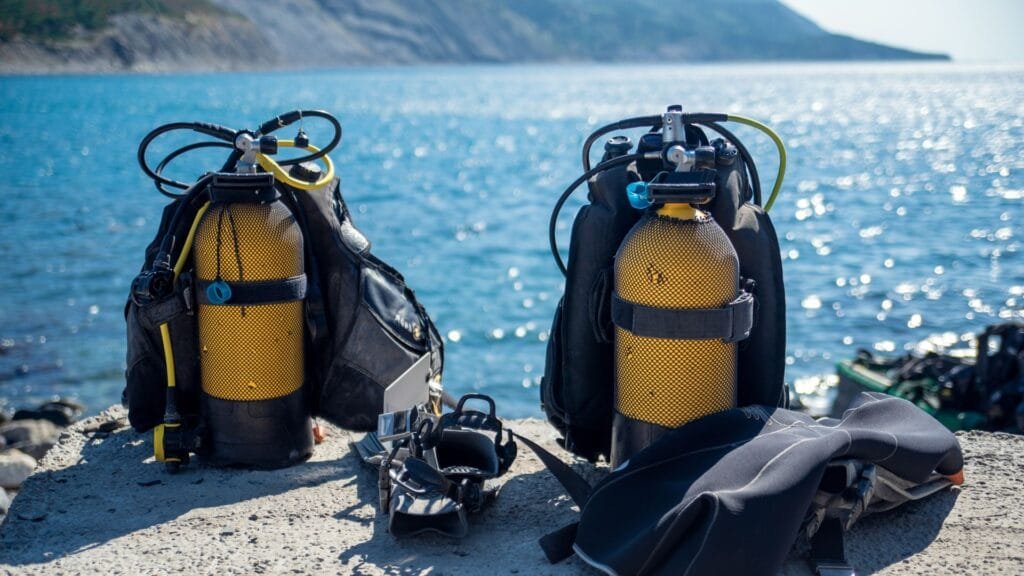
Recommended Equipment
- Diving suit : A 5 mm suit is ideal for the cooler months, and a 3 mm for summer.
- Flashlight : For night dives and cave explorations, a good quality flashlight is essential.
- Underwater camera : The crystal-clear waters and diverse wildlife of Cape Verde make it an excellent place for underwater photography. Don’t forget to bring a suitable camera to capture these magical moments.
- Safety equipment : It is recommended to always have a whistle and a surface marker buoy (SMB) in case of need, especially for deeper dives or in the presence of currents.
Safety and precautions
- Dive with a local dive center : Due to unpredictable currents and changing conditions, it is strongly advised to dive with a local dive center.
- Avoid solo diving : It is better to dive in a group, especially at more isolated sites like those in Santo Antão or São Nicolau.
- Be informed about currents : Some spots, such as Palmeira in Sal or Porto Novo in Santo Antão, may be subject to strong currents. Before diving, make sure to check the conditions with guides or dive centers.
- Respect for wildlife and flora : Cape Verde is a still-preserved natural environment, and it is essential to respect marine life. Avoid touching corals, chasing animals, or collecting underwater objects. This helps preserve this fragile ecosystem for future generations.
Insurance and certification
Before diving in Cape Verde, ensure that your certification is up to date and that you have valid diving insurance covering dives abroad. Some dive schools may require proof of certification and insurance before allowing you to participate in outings, especially for deep or technical dives.
Diving schools and centers in Cape Verde
Best dive centers in Cape Verde
Sal : Santa Maria
- Services offered : Diving courses (from beginner to advanced), dives with rays, night dives.
- Particularities : Located in Santa Maria, this center offers night dives for those who want to discover another aspect of Sal's underwater wildlife. The instructors are qualified and emphasize diver safety.
Santiago : Tarrafal
- Services offered : Cave dives, dives with rays, introductory dives for beginners.
- Particularities : Located in Tarrafal, this center specializes in cave diving and also offers excursions to explore the fringing reefs around the bay, where marine life is diverse.
Santiago : Cidade Velha
- Services offered : Introductory dives, dives from the shore and by boat, PADI training, cave explorations and volcanic formations.
- Particularities : Based in Cidade Velha, a UNESCO World Heritage site, this center offers a personalized approach with small groups. The dives allow you to discover volcanic arches, drop-offs, and a varied marine life including turtles, rays, and moray eels.
São Vicente : Mindelo
- Services offered : PADI certifications, deep dives, wreck dives.
- Particularities : Dive Tribe Mindelo offers dives on unique wrecks, as well as deep dives for experienced divers. The center emphasizes the importance of marine preservation by collaborating with local NGOs.
Santo Antão : Porto Novo
Santo Antão Diving Adventures
- Services offered : Guided dives, exploration of underwater canyons.
- Particularities : This center offers dives to discover underwater volcanic formations, such as arches and canyons, typical of the seabed of Santo Antão. The local guides are well acquainted with the currents and the best times to dive.
Prices and certifications for diving in Cape Verde
The prices for diving in Cape Verde vary depending on the center, the type of dive, and the diver's level. On average:
- Introductory dive : About 70 to 100 euros, including all equipment and supervision by an instructor.
- Guided dive : Between 50 and 80 euros per dive.
- PADI certifications : Courses start from 400 euros for the Open Water Diver.
Additional services offered
- Diving courses : Most centers offer diving courses with PADI certification, allowing beginners to train up to the level of autonomous diver.
- Equipment : All necessary equipment is generally included in the price of dives, although some centers also allow renting or purchasing equipment on-site.
- Boat excursions : To access the most remote sites, boat excursions are often organized. It’s an opportunity to discover less frequented spots and enjoy a day at sea.
Cape Verde is an essential destination for those who love diving, with a multitude of sites suitable for all levels, from beginners to experienced divers. Whether you wish to explore colorful reefs, captivating shipwrecks, or swim with rays and sharks, each island offers a distinct underwater experience. By choosing to dive in Cape Verde, you will have the opportunity to discover a diverse marine ecosystem while supporting local communities and participating in the conservation of the archipelago's biodiversity.
So, prepare your fins, your snorkel, and your spirit of adventure to explore the underwater wonders of Cape Verde, a true gem of the Atlantic just waiting to be discovered.
Are you planning a trip to Cape Verde?
To organize your stay, we work with a local agency based in Cape Verde, which knows the archipelago island by island. Tailor-made tours, accommodation, inter-island flights, excursions: describe your project, we put you in touch and the agency prepares a proposal tailored to your wishes and budget.

Written by Adilson Gomes Garcia
Founder of Casa di CV and Gomia-Voyage, I was born in Santiago and I am committed to showcasing African territories, starting with Cape Verde. Through my platforms, I help travelers and curious minds better understand these destinations, their cultures and their realities, so they can plan authentic and respectful trips. My goal: to offer a clear, local and useful perspective for discovering Africa as it really is, with its riches and its identity.