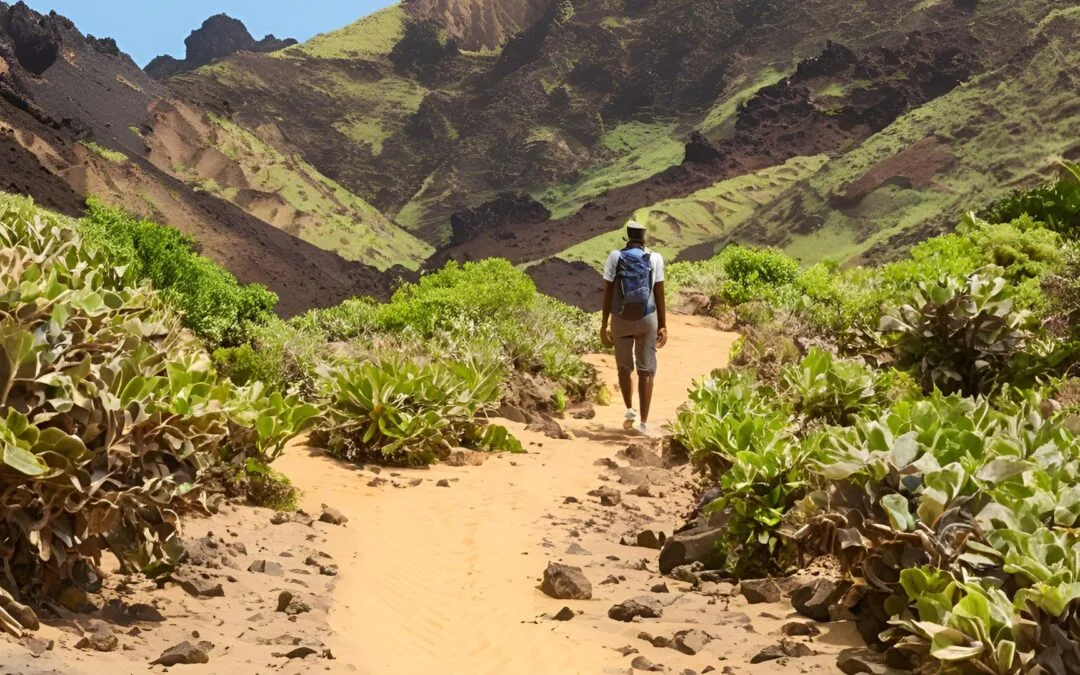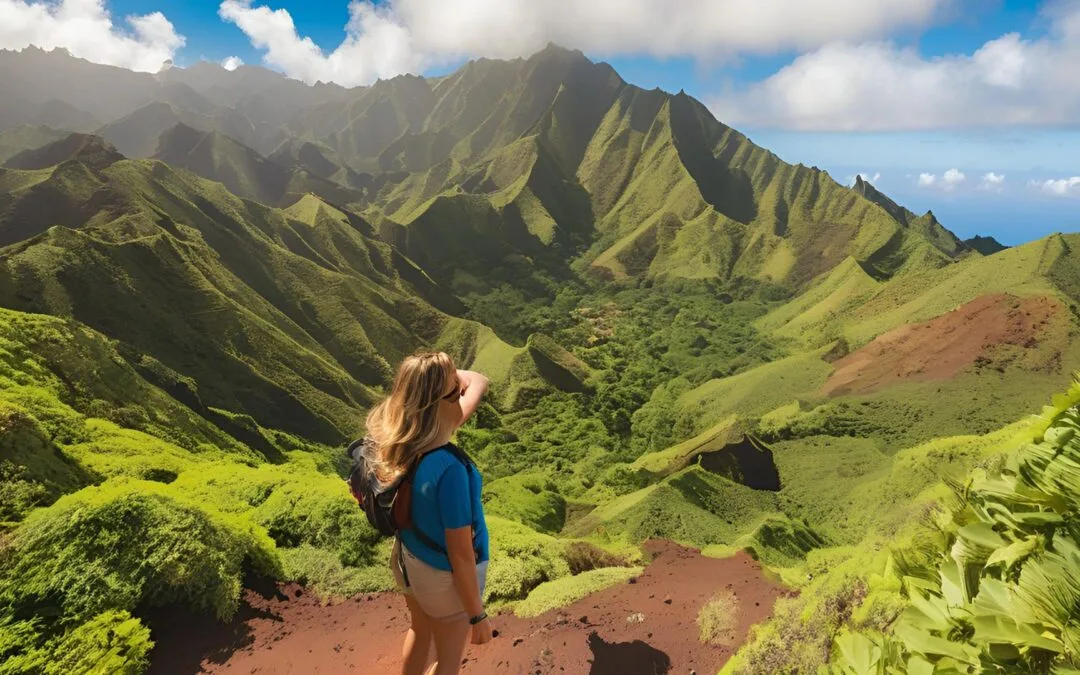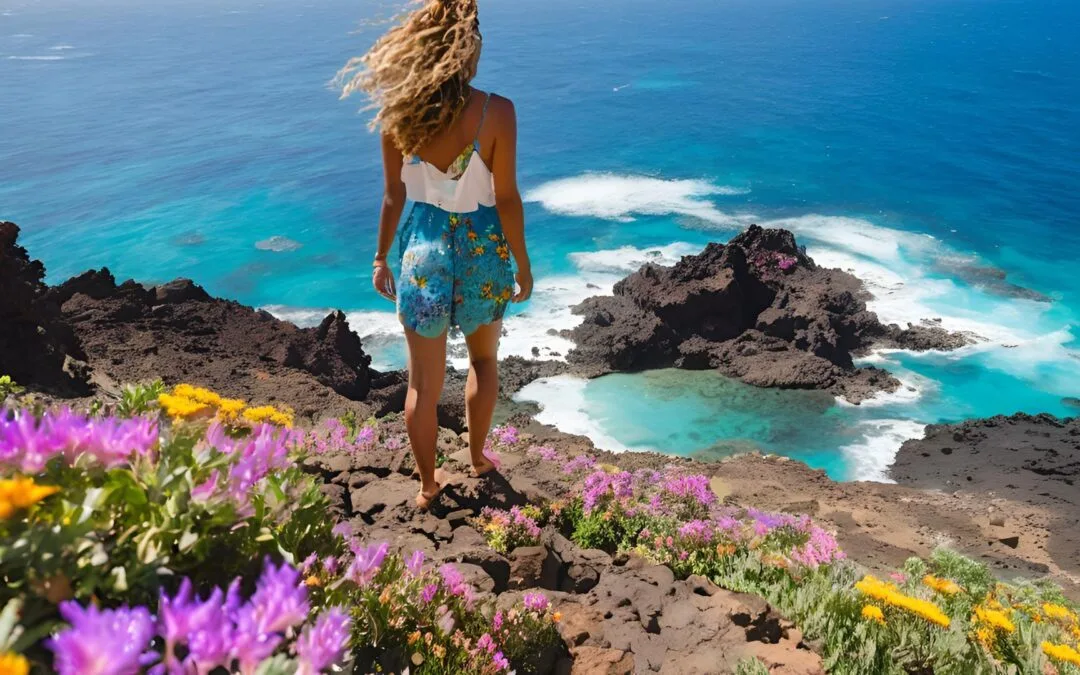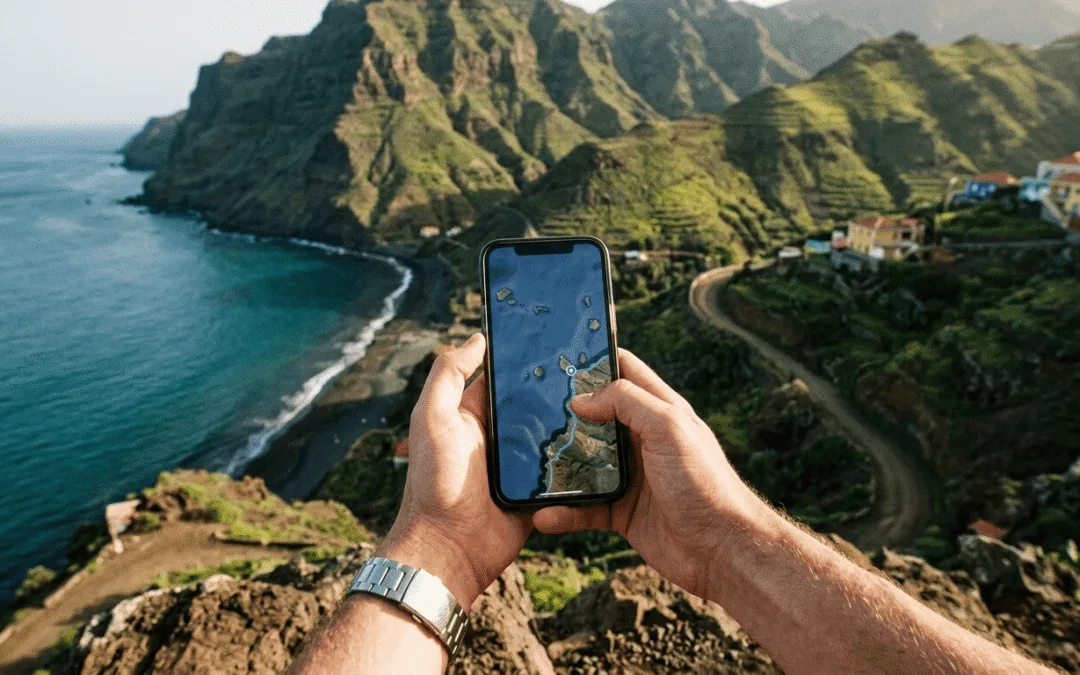
Santo Antão is a true playground for nature and adventure lovers . Renowned for its spectacular landscapes, the island captivates with its majestic mountains, lush valleys, and perched villages. This island is brimming with diverse trails, suitable for all levels, from beginners to advanced hikers.
However, with so many options, it can be difficult to know where to begin. Which attractions are unmissable? How do you plan your trip to make the most of it? In this guide, we highlight the most impressive treks on Santo Antão, from coastal paths to volcanic peaks, with practical tips to ensure an unforgettable experience. Lace up your hiking boots and get ready to discover the natural wonders of this unique island.
Ready for your hikes in Santo Antão?
To help you organize your trip, we have negotiated advantageous rates with our partners. Whether you need a tailor-made tour, accommodation, or simply local activities, let us know your requirements and we will direct you to the right provider.
Why is Santo Antão a paradise for hikers?

Santo Antão is often described as the greenest island in Cape Verde , and for good reason: its contrasting landscapes offer exceptional diversity. On one side, lush valleys where terraced fields stretch as far as the eye can see; on the other, spectacular cliffs plunging into the Atlantic Ocean. These breathtaking panoramas attract visitors every year in search of authentic adventures.
Unspoiled nature and varied trails
What makes Santo Antão unique is its environmental preservation . Far from the crowds, you'll discover hiking trails that wind through unspoiled landscapes. You can explore coastal paths with breathtaking views, climb volcanic mountains, or lose yourself in lush cedar and acacia forests. These routes, often maintained by the locals themselves, reflect the harmony between humankind and nature.
A course for all levels
Whether you're a beginner hiker or an experienced trekker, Santo Antão offers routes suited to all levels . From easy walks in the fertile valleys of Paúl to more ambitious challenges like climbing Tope de Coroa , there's something for everyone. The trails are generally well-marked, allowing for worry-free exploration.
A unique cultural immersion
Beyond the landscapes, hiking in Santo Antão is also an opportunity to meet the warm inhabitants of the isolated villages. These moments of exchange offer an authentic glimpse of local life, between agricultural traditions and Cape Verdean hospitality.
The 5 essential routes to explore Santo Antão
Santo Antão boasts numerous exceptional hiking trails , each with its own unique characteristics. Here is a selection of the most popular and iconic routes to discover the island in all its facets.
1. Coastal path between Cruzinha and Ponta do Sol: an unforgettable classic
- Start time : Village of Cruzinha
- Check-in : Village of Ponta do Sol
- Distance : About 15 km
- Duration : 5 to 6 hours
- Level : Intermediate
This legendary trail follows the island's north coast, linking Cruzinha , a peaceful little village accessible by road from Ribeira Grande, to Ponta do Sol , a lively coastal town. Along the way, you'll pass through traditional villages like Fontainhas and Corvo , nestled in the mountains. The dramatic cliffs and views of the Atlantic Ocean make this hike truly special.
- Note : The trail is steep in places. Wear suitable shoes and bring plenty of water, as refreshment points are few and far between.
2. Paúl Valley: a tropical paradise
- Start time : Village of Cova
- Check-in : Village of Paul
- Distance : Varies depending on the route (short or long loops)
- Duration : 2 to 5 hours
- Level : Easy to intermediate
The Paúl Valley is a verdant haven, renowned for its terraced fields , streams, and lush vegetation. Begin your hike in the volcanic crater of Cova , accessible by car from Ribeira Grande, and descend through tropical landscapes to the main village of Paúl . Along the way, you'll pass through sugarcane plantations and picturesque hamlets.
- Note : Access to Cova Crater may require private transportation or taxi. In wet weather, the trails can be slippery, so be careful.
3. Trek to Tope de Coroa: at the top of the island
- Start time : Village of Moroccans ou Ribeira das Patas
- Check-in : Summit of the Crown Tope and return to the starting point
- Distance : 15 to 20 km (depending on the starting point)
- Duration : 7 to 9 hours
- Level : Advance
Tope de Coroa , the highest point on Santo Antão at 1,979 meters, presents a significant challenge for experienced hikers. This trek traverses arid, volcanic landscapes to the summit. Once there, the panorama reveals a large part of the island and, on a clear day, its neighboring island of São Vicente.
- Note : It is strongly recommended to leave with a guide, as some paths may be difficult to follow. Weather conditions, especially wind, may make the experience more demanding.
4. Circuit around Fontainhas: a suspended village
- Start time : Village of Ponta do Sol
- Check-in : Village of Fontainhas and back to Ponta do Sol
- Distance : 4 to 6 km
- Duration : 2 to 3 hours
- Level : Easy
This circular trail begins in Ponta do Sol and leads to the charming village of Fontainhas , often called the "hanging village ." Once there, explore the surrounding area and admire the colorful houses perched on the clifftops. The return journey can be made via the same route or by passing through Lombo Comprido , offering a different perspective on the surrounding landscapes.
- Note : This circuit is ideal for families or beginners, but remains interesting thanks to the different views.
5. Monte Trigo: adventure off the beaten track
- Start time : Village of Tarrafal of Monte Trigo
- Check-in : Village of Monte Trigo
- Distance : Approximately 12 km (one way)
- Duration : 5 to 6 hours
- Level : Intermediate
The trek begins in Tarrafal de Monte Trigo , a remote village accessible by track from Porto Novo or by boat. The trail winds along rugged mountains and deserted beaches, offering spectacular views of the wild coastline. You will then reach Monte Trigo , a peaceful and authentic village, perfect for a break before continuing your journey.
- Note : This trek is a one way ticket. Most visitors leave by boat from Monte Trigo, a logistical solution to be planned in advance. It is also essential to check the weather conditions, because some passages can be exposed to wind or sun.
When is the best time to hike in Santo Antão?

Santo Antão has a semi-arid tropical climate that offers relatively pleasant hiking conditions throughout the year. However, there are certain periods that are better suited to exploring the trails depending on the weather conditions and the landscapes you want to discover.
Between November and June: the ideal season
The period from November to June is considered the best time for hiking in Santo Antão. During these months, temperatures are pleasant, ranging between 20°C and 28°C , with plenty of sunshine and little rainfall. The trails are dry, making them more accessible and safer, especially for steep descents like the one in the Paúl Valley.
- Highlights :
- Ideal conditions for hiking without suffering from the heat.
- Green landscapes still visible until January, especially after the rains of the wet season.
September to October: the greenest landscapes
If you want to admire Santo Antão in all its green splendor, the period just at the end of the rainy season (September and October) is perfect. The mountains and valleys are covered in lush vegetation, offering unique panoramas and exceptional photography opportunities. However, some trails may still be muddy or damaged by recent rainfall.
- Precautions :
- Trails can be slippery, especially in steep areas.
- Bring suitable footwear and check weather conditions before setting off.
July and August: intense heat and necessary precautions
During the summer months (July and August), temperatures can exceed 30°C , making long hikes more strenuous, especially on exposed trails like the Tope de Coroa. If you are traveling during this period, choose shaded routes and set off early in the morning to avoid the hottest hours.
- Tips :
- Bring enough water (minimum 2 liters per person).
- Wear a hat and sunscreen to protect yourself from the sun.
Summary of the best periods according to your expectations
- For optimal walking conditions : November to June.
- For green landscapes : September and October.
- For summer hikes : July and August, with additional precautions.
Practical advice for your hikes in Santo Antão

To fully enjoy your hikes in Santo Antão, good preparation is essential. Whether you are a beginner or an experienced hiker, these tips will help you optimize your experience and avoid inconveniences.
1. Choose your route carefully
- Assess your physical condition and choose a trail suited to your level.
- Beginners: Choose easy hikes like Fontainhas or the descent of Cova to Paul.
- Intermediaries: Explore longer routes, such as the coastal path between Cruzinha and Ponta do Sol.
- Advanced: Take on challenges like climbing the Crown Tope.
- Check trail conditions: Some trails may be slippery or damaged after recent rains.
2. Essential equipment
- Shoes suitable : Prefer sturdy hiking shoes with good grip, especially for steep trails.
- Lightweight backpack : Containing at least:
- Water (2 liters per person).
- Energy snacks (dried fruits, cereal bars).
- A basic first aid kit.
- Sun protection : Hat, sunglasses and sunscreen are essential, especially on exposed trails like Topo da Coroa.
- Adapted clothing : Pack lightweight, breathable layers. A windbreaker can also be useful at higher altitudes.
3. Logistical organization
- Plan your return : Some routes, such as the one to Monte Trigo, require transport (often by boat) to return to the starting point.
- Hire a local guide : For less marked trails or if you want to learn more about local culture and history.
- Download offline maps : The mobile network may be non-existent on certain sections.
4. Safety and weather conditions
- Hike early in the morning to avoid the hottest temperatures, especially in summer.
- Avoid hiking alone on isolated trails and always inform someone of your route.
- Be aware of weather conditions: Wind and rain can make some trails dangerous.
5. Respect for nature and local communities
- Leave no trace : Take all your trash with you.
- Respect local cultures : It is always best to ask permission before photographing residents or their property.
- Support the local economy : Buy water or snacks in the small shops in the villages you pass through.
With these tips, you'll be ready to explore the natural wonders of Santo Antão while respecting its environment and inhabitants. Ready to embark on your adventure?
Santo Antão, a must-see destination for hiking lovers
Santo Antão is more than just an island; it's a true sanctuary for hikers seeking a change of scenery and adventure. With its contrasting landscapes, ranging from the verdant valleys of Paúl to the spectacular cliffs of Fontainhas , and including the volcanic peaks of Tope de Coroa , the island offers a diversity of routes that will satisfy all levels of hikers.
Hiking in Santo Antão is also about immersing yourself in Cape Verdean authenticity: meeting warm locals, discovering isolated villages, and getting immersed in a culture where respect for nature is omnipresent.
So, whether you are a novice or an expert, prepare your walking shoes, your backpack, and let yourself be carried away by the magic of Santo Antão. An unforgettable adventure awaits you, between land and sea, in one of the most enchanting corners of the archipelago.